
A concussion is a mild traumatic brain injury that can have a significant impact on your life. While rest is often the first recommendation, physical therapy plays a crucial role by addressing concussion symptoms and promoting a full recovery.
Understanding Concussions
What is a Concussion?
Signs and Symptoms
The symptoms of a concussion are diverse, ranging from headache and dizziness to cognitive difficulties and mood changes. Some individuals might experience blurred vision, sensitivity to light and noise, or difficulty concentrating. Recognizing these varied signs is crucial for prompt concussion management and seeking appropriate concussion care.
Post-Concussion Syndrome
When concussion symptoms persist beyond the typical recovery period, it’s known as post-concussion syndrome. This condition can significantly impact daily life, affecting work, school, and social activities. Physical therapy and other concussion treatments can be essential for managing these long-lasting effects and improving quality of life for patients with a concussion.
How Concussions Are Diagnosed
To diagnose a concussion, healthcare professionals use various methods, including neurological exams and cognitive assessments. Screening tests and thorough medical evaluation can help determine the severity of the injury and guide appropriate concussion care and concussion treatment strategies.
How Physical Therapy Can Help
The Role of PT in Concussion Recovery
Physical therapy (PT) is an integral part of concussion rehabilitation. Licensed physical therapists use targeted exercise and manual therapy techniques to address specific concussion symptoms and improve overall function. The American Physical Therapy Association recommends PT as a key element in concussion recovery.
Benefits of Concussion Physical Therapy
Physical therapy offers numerous benefits for concussion patients. A skilled physical therapist can design evaluation and treatment plans to address various symptoms of a concussion. For example, vestibular rehabilitation can significantly improve balance and reduce headache and dizziness. The goals of concussion rehabilitation include faster concussion recovery, the relief of symptoms of a concussion and prevent long-term complications.
What Happens During PT for a Concussion
Physical therapy for concussion patients involves a comprehensive approach. This includes an initial assessment and screenings, followed by a guided return to exercise plan. A licensed physical therapist will use the results of the initial assessment, screenings and tests to design a personalized rehabilitation strategy to provide expert consultation and personalized care.
Concussion in OSI Physical Therapy
Forest Lake Clinic
146 N. Lake St., Suite 200 Forest Lake, MN
55025
Hugo Clinic
14688 Everton Ave N, #101 Hugo, MN
55038
Maplewood Clinic
2515 White Bear Avenue Maplewood, MN
55109
Oakdale Clinic
7077 10th St. N. Oakdale, MN
55128
Somerset Clinic
709 Rivard, Street Somerset, WI
54025
Stillwater Clinic
1700 Tower Drive West Stillwater, MN
55082
White Bear Lake Clinic
4463 White Bear Parkway #108 White Bear Lake,
MN 55110
West Saint Paul
433 East Mendota Road West Saint Paul, MN
55118
3M Center Clinic
3M Center Maplewood, MN
55119
Focus Areas in Concussion Rehabilitation
Cupping therapy offers a range of benefits like reducing pain and improving blood flow. Many individuals seek cupping for its ability to alleviate muscle tension, promote relaxation, and enhance overall well-being.
Neck and Cervical Spine Therapy
Physical therapy often addresses neck pain and stiffness that can arise from a concussion. Manual therapy techniques and targeted exercise can restore proper cervical spine function. Addressing these issues is crucial, as neck problems can exacerbate headache and dizziness, hindering concussion recovery and overall concussion rehabilitation.
Balance and Dizziness Management
Vestibular rehabilitation is a key component of physical therapy for concussion patients. Exercises and other techniques are implemented by a physical therapist to improve balance and reduce dizziness by retraining the vestibular system.
Vision and Oculomotor Training
Exertion Tolerance & Graduated Exercise
Gradual return to physical activity is essential in concussion recovery. A physical therapist guides concussion patients through a structured exercise program to improve exertion tolerance without provoking concussion symptoms. Using tools like the Buffalo Concussion Treadmill Test, they carefully monitor progress and adjust the plan as needed.
Return-to-Work and Sports Assessment
Before returning to work or sports-related activities, a thorough assessment is crucial after experiencing a concussion. A licensed physical therapist evaluates physical and cognitive readiness to ensure a safe return. They design a personalized plan to gradually reintroduce activities, minimizing the risk of re-injury and promoting full recovery from a concussion.
Concussion Treatments and Care
Immediate Steps After a Suspected Concussion
Physical therapy (PT) is an integral part of concussion rehabilitation. Licensed physical therapists use targeted exercise and manual therapy techniques to address specific concussion symptoms and improve overall function. The American Physical Therapy Association recommends PT as a key element in concussion recovery.
Remove Yourself from Physical and Cognitive Activity
Immediately stop all physical activity and mentally demanding tasks. This physical and cognitive rest helps prevent further strain on the brain, which is crucial for the initial stages of concussion recovery following a sport-related concussion or other head injuries.
Monitor Symptoms and Seek Evaluation
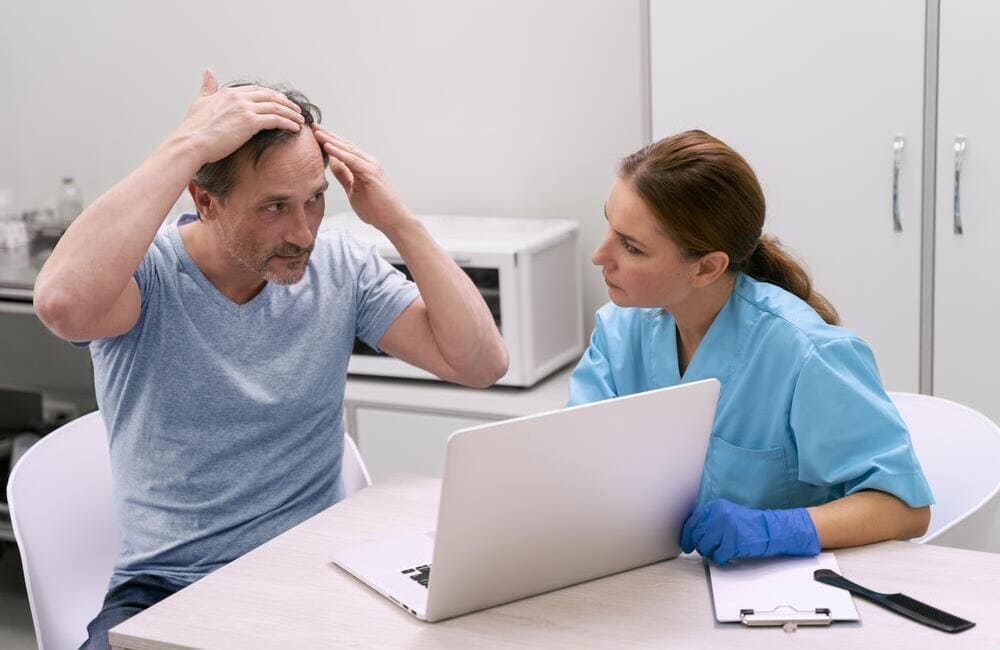
Closely monitor symptoms of a concussion. Seek a medical evaluation from a healthcare professional to diagnose a concussion and rule out more serious injuries. Early detection and proper assessment are essential for guiding appropriate concussion treatment and concussion care.
Get Medical Attention
Prompt medical attention is crucial after a suspected concussion. A healthcare professional can assess the severity of the head injuries, provide appropriate guidance, and recommend further concussion treatment strategies. This ensures the individual receives the necessary care and monitoring for a successful concussion recovery.
Home Care Strategies
Implementing effective home care strategies is crucial for concussion management. This may involve resting in a quiet, dark room, avoiding screens, and staying hydrated. These simple measures can significantly alleviate symptoms of a concussion and support the concussion recovery process, complementing professional concussion care.
Common Concussion Care Mistakes
Avoid common mistakes that can hinder concussion recovery. Returning to physical activity too soon, ignoring symptoms of a concussion, or failing to seek proper medical attention can worsen the injury and prolong recovery. Being proactive and informed is essential for optimal concussion care and concussion management.
The Dangers of Ignoring a Concussion
Ignoring a concussion can lead to serious long-term consequences. Untreated symptoms of a concussion can result in chronic headache, cognitive difficulties, and emotional problems. Recognizing the importance of early intervention and proper concussion care can prevent these complications and promote better long-term outcomes for concussion patients.
FAQ's About Concussion
The duration of concussion recovery varies for each concussion patient. Many individuals recover within a few weeks, but some may experience post-concussion syndrome, leading to prolonged symptoms of a concussion. Consistent physical therapy and adherence to the concussion treatment plan will help achieve full recovery.
Physical therapy can play a significant role in preventing long-term symptoms of a concussion. Early physical therapy intervention, focusing on vestibular rehabilitation and targeted exercise, can address underlying issues and promote concussion recovery. This proactive approach helps concussion patients avoid chronic problems such as headache and dizziness.
Returning to physical activity, sports-related concussion or work after a concussion requires careful consideration. A licensed physical therapist, using tools like the Buffalo Concussion Treadmill Test, assesses your readiness to ensure you can perform tasks without exacerbating symptoms of a concussion. A gradual return is key to preventing re-injury and achieving full recovery.
Yes, concussion treatment can vary between children and adults. Children’s brains are still developing, so concussion care may involve a more conservative approach with exercise and a slower return to physical activity. Physical therapists tailor interventions to each individual’s needs and developmental stage for concussion rehabilitation.
The best exercises following a concussion are those prescribed by a physical therapist, specifically designed to address individual concussion symptoms. Common exercises include vestibular rehabilitation techniques for balance and coordination, as well as gentle aerobic activity to improve exertion tolerance and overall concussion rehabilitation.
Several factors can aid concussion recovery. Adequate physical and cognitive rest, proper hydration, and a healthy diet are important. Additionally, following a physical therapy program focused on exercise, manual therapy, and vestibular rehabilitation can expedite the healing process and promote full recovery.
Immediately after a suspected concussion, it’s crucial to remove the person from physical activity and assess their symptoms of a concussion. Seek early medical attention to diagnose a concussion, get proper guidance, and begin concussion treatment and concussion care. Monitor them closely.
The duration of a concussion can vary greatly. While many people recover within a few weeks, some may experience prolonged symptoms of a concussion lasting months. Early physical therapy intervention, consistent care, and adherence to the prescribed concussion treatment plan are essential for full recovery and avoiding post-concussion syndrome.
If you have a concussion, avoid returning to physical activity or mentally demanding tasks too soon. Do not ignore symptoms of a concussion. Avoid prolonged screen time and alcohol. Failing to seek proper concussion care, and not following medical advice can delay concussion recovery.
Ready to Start Your Recovery Journey?
Don't let pain hold you back. Our physical therapy team is here to help you get back to the activities you love.